
Résumé en français
L'US Air Force a officialisé l'implantation de 26 chasseurs F-35A Lightning II, comprenant 24 appareils principaux et 2 de réserve, sur la base de la Garde nationale aérienne de Kingsley Field dans l'Oregon pour créer sa troisième unité d'entraînement formel. L'arrivée des premiers aéronefs est programmée pour l'été 2027 et la flotte complète doit être en place d'ici l'exercice 2029 en remplacement des anciens F-15C/D. Cette transition s'accompagnera de travaux d'infrastructure et de l'arrivée d'une trentaine de personnels supplémentaires.
OREGON- Kingsley Field Air National Guard Base is located at Crater Lake-Klamath Regional Airport in Klamath Falls, Oregon (LMT).
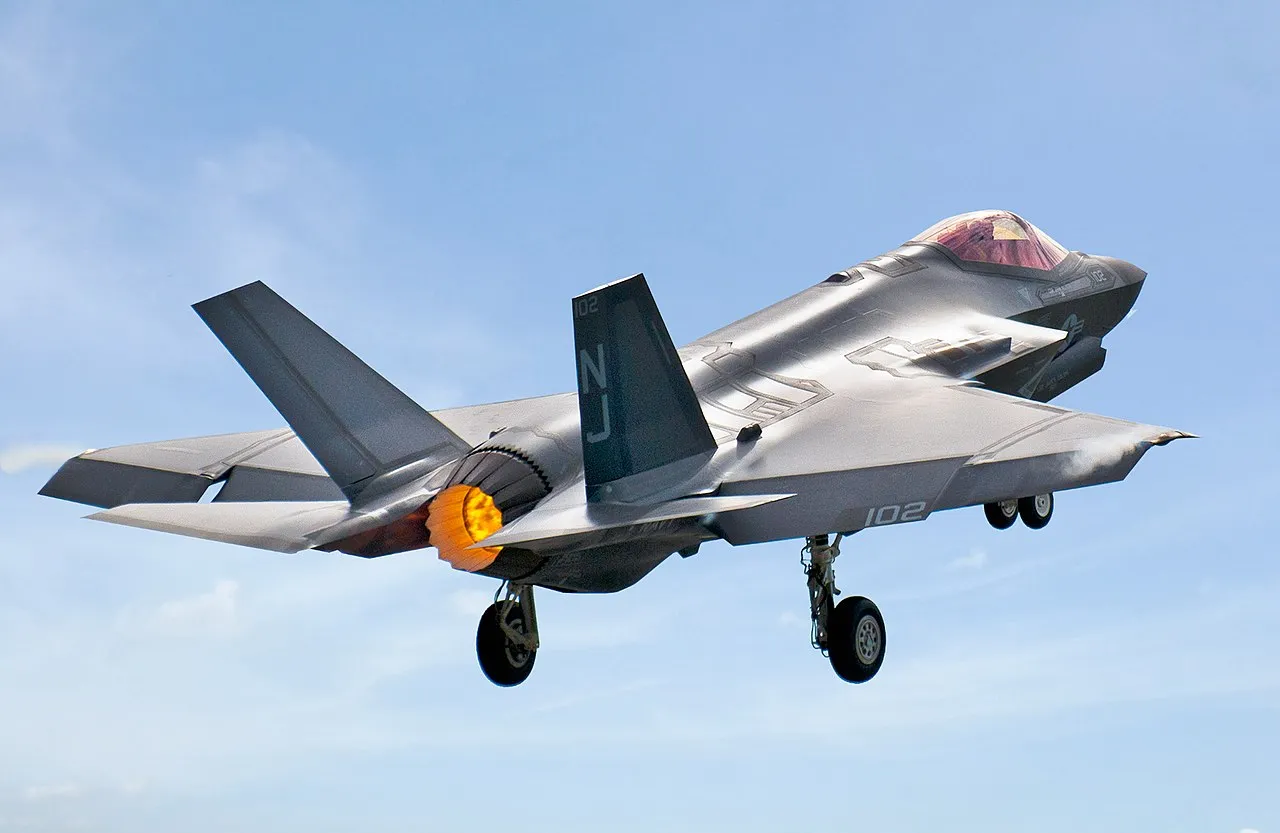
The Air Force will base 26 F-35A Lightning II fighters at the 173rd Fighter Wing, with the first aircraft expected in summer 2027 and the full complement scheduled by FY2029. The move will establish the service’s third F-35 formal training unit at Kingsley Field.
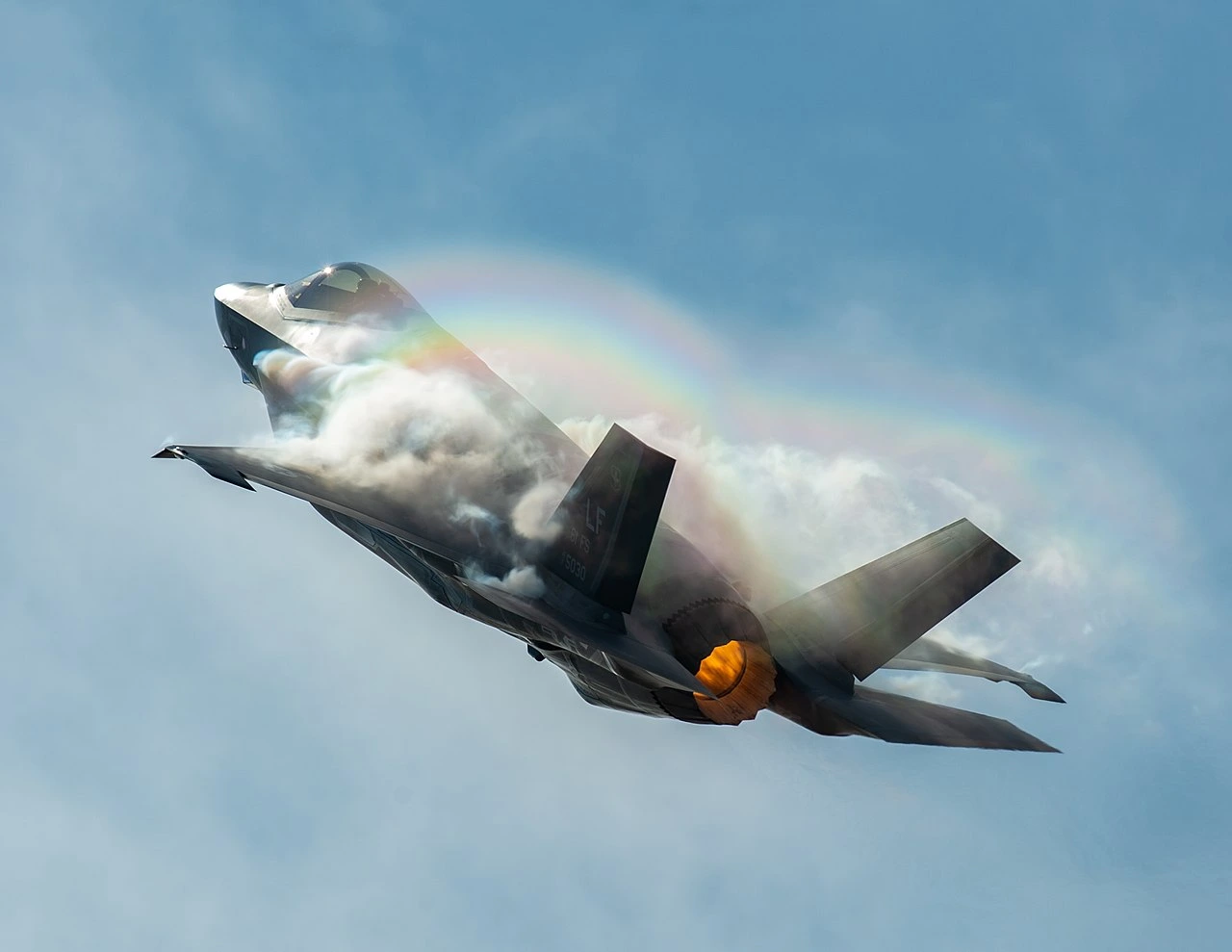
Kingsley Field F-35 Training Mission Takes Shape
Air Force Secretary Troy Meink signed the Record of Decision on October 5, 2026, formally approving the basing of F-35A aircraft at Kingsley Field.
The decision ends a yearslong process to replace the base’s legacy F-15C/D fighters and clears the way for the infrastructure work required for the new mission. Air and Space Forces reported the decision on October 6, 2026.
The 173rd Fighter Wing and Rep. Cliff Bentz, R-Ore., announced the milestone in separate statements. Their announcements marked the completion of a long-running effort to determine the future fighter mission at the Oregon Air National Guard installation.
First F-35A Aircraft Expected in Summer 2027
The first F-35A aircraft are expected to arrive at Kingsley Field in summer 2027. The conversion will occur in phases rather than through a single aircraft delivery event, with the full complement expected by fiscal year 2029. The official F-35 environmental review identifies the beddown as up to 24 primary assigned aircraft and two backup aircraft, for a total of 26 F-35As.
The phased schedule reflects aircraft production and delivery. The 173rd Fighter Wing has said the overall transition will take multiple years, while the environmental documentation identifies FY2029 as the target for completion of the full aircraft beddown.
26 F-35s Planned With Additional Personnel
The final plan differs from the original aircraft and staffing expectations. The 173rd Fighter Wing initially anticipated receiving 20 F-35s while keeping personnel numbers at roughly the existing level. The final environmental analysis instead calls for 26 aircraft and about 30 additional personnel.
The 26-aircraft plan consists of 24 primary assigned aircraft and two backup aircraft. The additional personnel will support the expanded F-35 training and maintenance mission at the base.
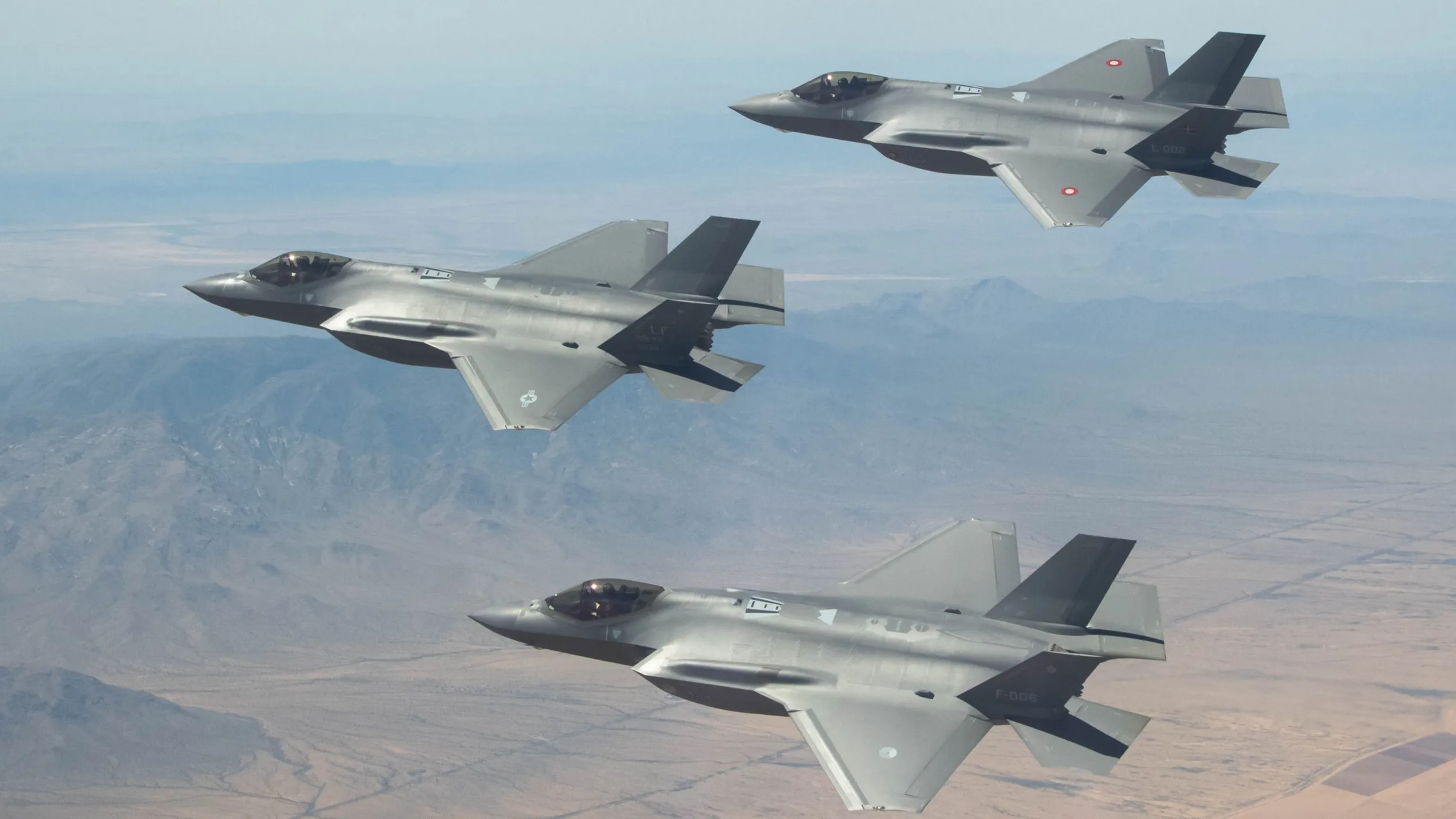
Infrastructure Work Will Support New Mission
The Record of Decision allows the Department of the Air Force to proceed with the facilities and infrastructure changes needed to support the F-35 operation. The environmental review covers construction, renovation and demolition associated with the new Formal Training Unit squadron.
The planned facilities are tied directly to the training mission. The FY2027 Air National Guard military construction plan includes an F-35 Formal Training Unit Academic Training Center at Kingsley Field, with facilities for flight training classrooms and simulator-based instruction.
F-15EX Plan Was Replaced by F-35
Kingsley Field was originally selected for a different modernization path. In 2020, the Air Force announced plans to establish an F-15EX Eagle II schoolhouse at the base, which had long supported F-15C/D training.
The service later reconsidered that plan as its strategic priorities changed. Officials pointed to the increasing focus on the Indo-Pacific and the need to field fifth-generation aircraft rapidly. At the same time, the Air Force was reducing its planned F-15EX procurement.
In May 2023, the Department of the Air Force announced that Kingsley Field would instead become an F-35A Formal Training Unit. The decision was intended to increase training capacity as the F-35 fleet expanded.
Environmental Review Completed Before Final Approval
The F-35 basing proposal underwent a lengthy Environmental Impact Statement process before the final decision. The National Guard Bureau and Department of the Air Force evaluated the proposed F-35A beddown, associated infrastructure work and a no-action alternative.
The Final Environmental Impact Statement was issued in September 2026, followed by the Record of Decision in October. The final decision selected the proposed action to establish and operate one F-35A Formal Training Unit squadron at Kingsley Field.
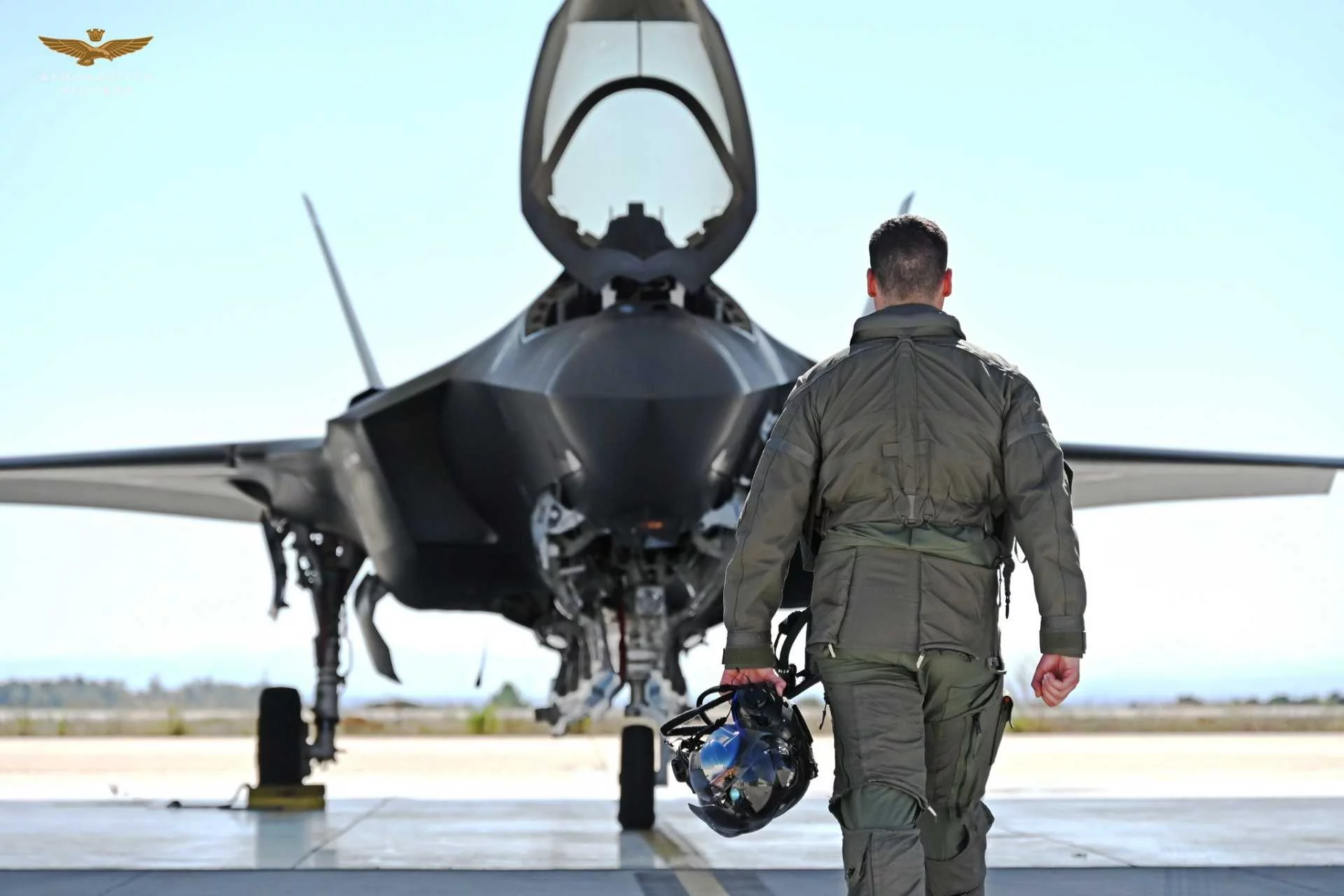
Kingsley Will Become Third F-35 Formal Training Unit
The Kingsley mission will add another formal training capability to the Air Force’s F-35 enterprise. The service announced the installation as its third F-35A Formal Training Unit, expanding pilot training capacity for the growing fifth-generation fighter fleet.
Existing F-35 formal training operations are based at Luke Air Force Base in Arizona and Eglin Air Force Base in Florida. Luke’s 56th Fighter Wing is an F-35A training wing, while Eglin has also supported F-35 training since the program’s early years.
Formal Training Units provide airframe-specific instruction before pilots move to operational assignments. Expanding the number of training locations gives the Air Force additional capacity as more F-35s enter service.
The 173rd Fighter Wing will assume responsibility for producing F-35 pilots trained for follow-on assignments in operational units. Wing commander Col. Adam Gaudinski said the mission will directly affect the Air Force’s ability to place combat-ready F-35 pilots into operational squadrons.
The training role builds on Kingsley Field’s existing relationship with F-35 operations. Luke Air Force Base regularly sends F-35A aircraft to Kingsley to use the area’s training airspace, giving the two wings an established operational relationship before the permanent F-35 mission begins.
Once the F-35s arrive, Kingsley Field will become the 16th Air Force base to host the aircraft. Barnes Air National Guard Base in Massachusetts and Misawa Air Base in Japan both received their first F-35s in 2026, immediately before the planned Kingsley arrival in 2027.
The change will give Oregon two separate fighter modernization efforts. The 173rd Fighter Wing at Kingsley will transition to the F-35A, while the 142nd Wing at Portland Air National Guard Base has started receiving F-15EX Eagle II fighters.
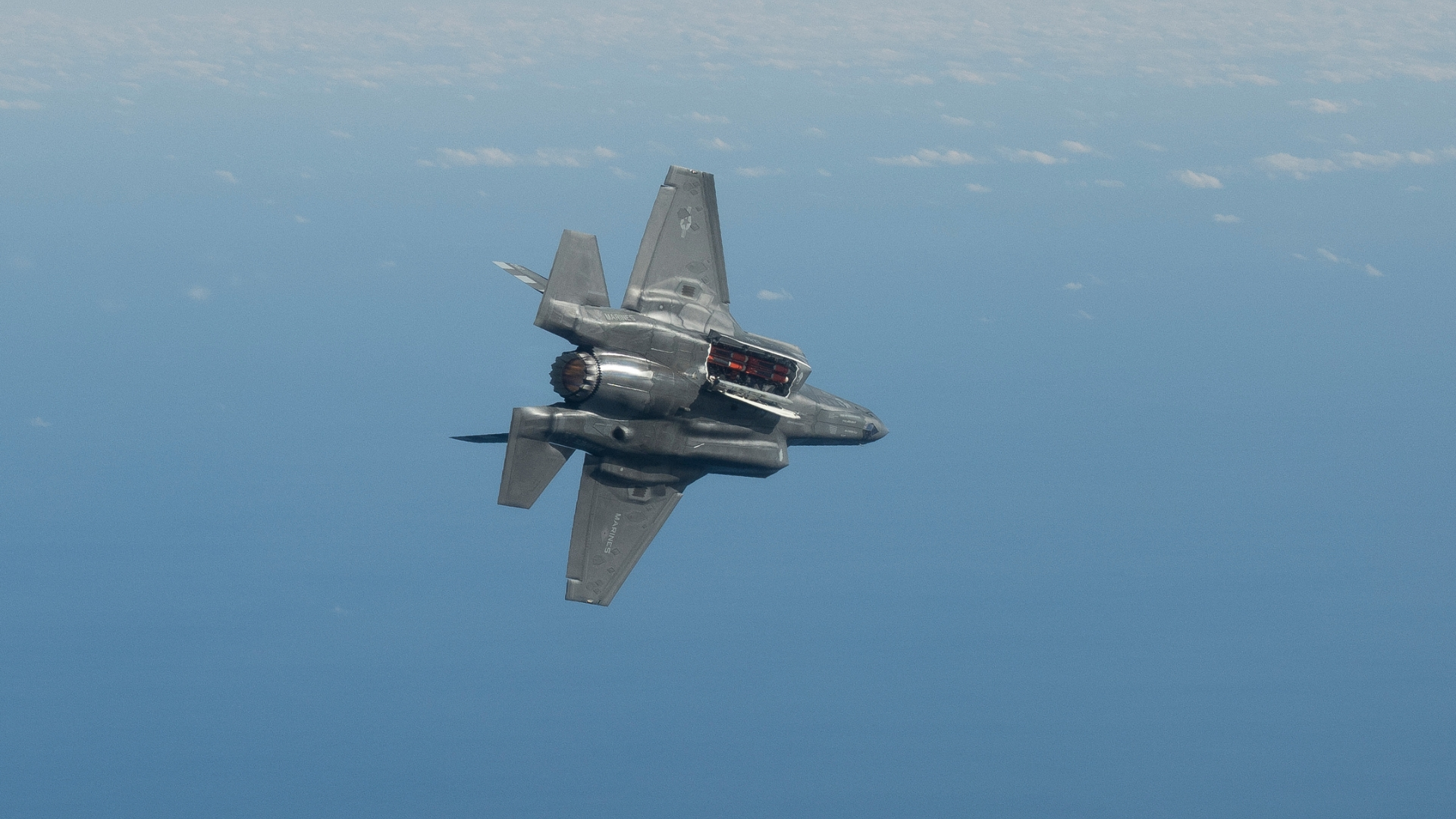
F-35 Locations and Arrival Timeline
The following basing timeline covers current and announced future F-35 locations, including each installation’s component, first aircraft arrival year and mission designation as reported in the source material.
| Base | State/Country | Component | First Aircraft Arrival | Mission |
|---|---|---|---|---|
| Edwards Air Force Base | California | Active | 2011 | Test |
| Eglin Air Force Base | Florida | Active | 2011 | |
| Nellis Air Force Base | Nevada | Active | 2013 | FTU |
| Luke Air Force Base | Arizona | Active | 2014 | |
| Hill Air Force Base | Utah | Active | 2015 | FTU |
| Burlington Air National Guard Base | Vermont | Guard | 2019 | |
| Eielson Air Force Base | Alaska | Active | 2020 | |
| Royal Air Force Lakenheath | UK | Active | 2021 | |
| Truax Field Air National Guard Base | Wisconsin | Guard | 2023 | |
| Dannelly Field | Alabama | Guard | 2023 | |
| Tyndall Air Force Base | Florida | Active | 2024 | |
| NAS-JRB Fort Worth | Texas | Reserve | 2024 | |
| Jacksonville Air National Guard Base | Florida | Guard | 2025 | |
| Misawa Air Base | Japan | Active | 2026 | |
| Barnes Air National Guard Base | Massachusetts | Guard | 2026 | |
| Kingsley Field Air National Guard Base | Oregon | Guard | 2027 | FTU |
| Moody Air Force Base | Georgia | Active | 2030 | |
| Homestead Air Reserve Base | Florida | Reserve | 2034 |
What Happens Between 2027 and 2029
The F-35 transition at Kingsley Field will proceed gradually. Initial aircraft deliveries are expected in FY2027, followed by additional aircraft as production and delivery schedules allow. The full 26-aircraft complement is expected by FY2029.
During that period, the 173rd Fighter Wing will move from its previous F-15C/D training role to the F-35A mission while bringing new facilities, simulators and supporting infrastructure online. The environmental documentation specifically includes construction, renovation and demolition needed for the new FTU.
The F-15C/D aircraft previously assigned to the wing have been retired as part of the Air Force transition away from aging fighters that had reached the end of their service life.
Kingsley Field’s Role in F-35 Fleet
The decision gives Kingsley Field a specialized role in the Air Force’s fifth-generation fighter training system. Rather than serving only as an operational F-35 base, the installation will focus on producing trained aircrews for subsequent assignments.
The move therefore represents both an aircraft transition and a mission transition. Kingsley will replace its aging F-15C/D training role with an F-35A Formal Training Unit designed to support the expanding Air Force fighter training pipeline.
Stay tuned with us. Further, follow us on social media for the latest updates.
Join us on Telegram Group for the Latest Aviation Updates. Subsequently, follow us on Google News
The post Largest Air Force in the World to Deploy 26 F-35 Fighters to Oregon appeared first on Aviation A2Z.
Source : Aviation A2Z — Karan Bhatta

Aucun commentaire:
Enregistrer un commentaire
Merci pour votre intérêt pour Cocardes !