
Résumé en français
Nouveau livre : Matthew Willis publie un livre consacré au chasseur embarqué de la Royal Navy Fleet Air Arm, le Fairey Fulmar, abordant sa conception, sa carrière opérationnelle durant la Seconde Guerre mondiale sur différents théâtres d'opérations et ses caractéristiques de combat. L'ouvrage met en lumière le rôle de cet appareil sous-estimé et détaille des aspects techniques précis, tels que l'harmonisation des armes de bord et les tactiques d'engagement.
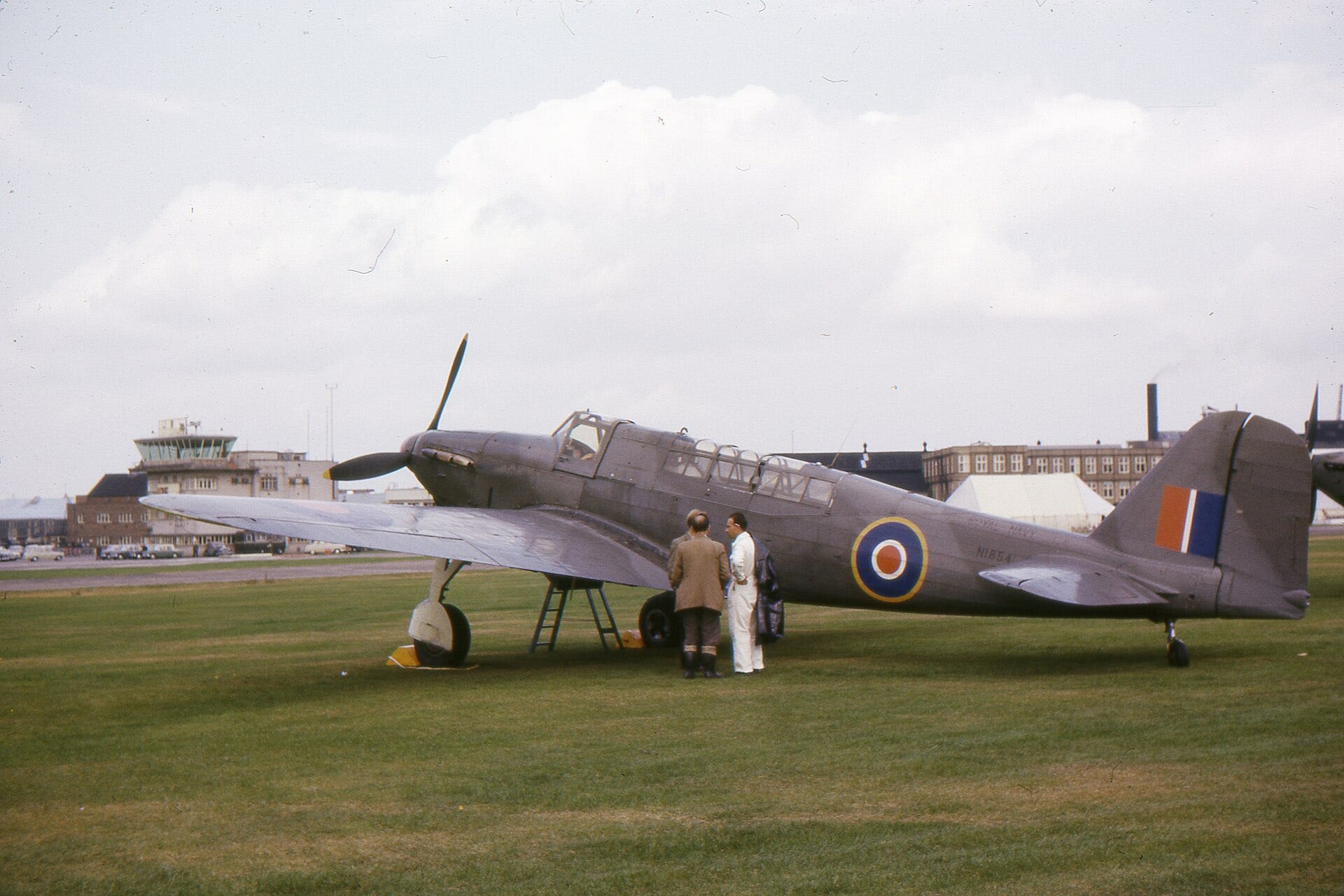
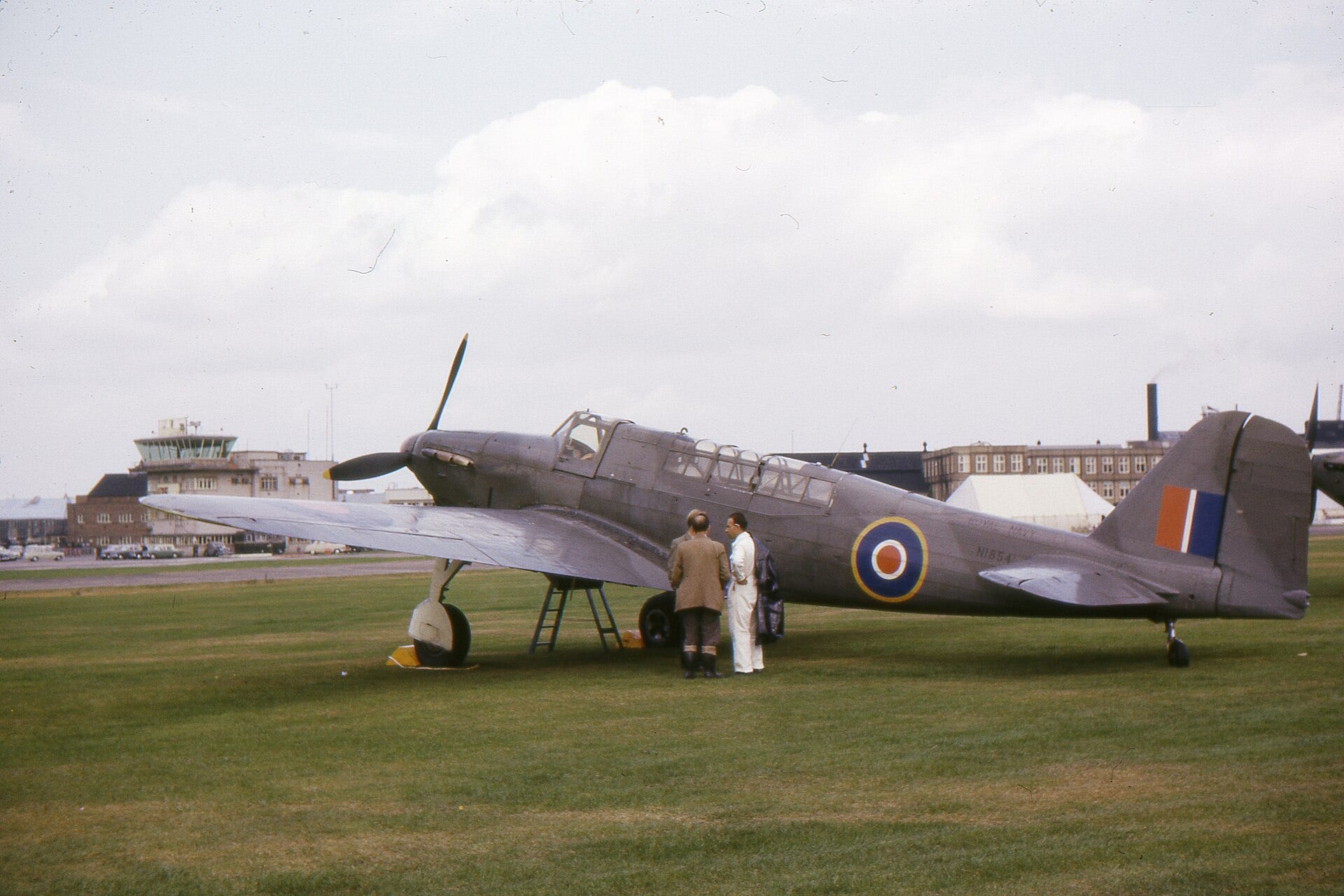
The Fairey Fulmar was never going to be a great fighter—but in the desperate, chaotic reality of wartime carrier aviation, it became something rather more interesting. Matthew Willis’ new book takes this neglected Fleet Air Arm underdog seriously, uncovering how a slow, ungainly two-seater found itself in the thick of combat around the world—and proved far more useful than its reputation (or lack of one) suggests.
Hush-Kit Aviation Newsletter is a reader-supported publication. To receive new posts and support my work, consider becoming a free or paid subscriber.
Rachelle Chadwick’s 2023 article “The Question of Feminist Critique” challenges the idea that critique must be adversarial or destructive. Instead, she argues for “generous critique,” approaching ideas with empathy and openness and trying to understand them on their own terms. A 2004 Feminist Theory editorial similarly describes feminist critique as “engaged, generous and reflexive.” Here, feminist critique refers to a style of critique, rather than critique about women’s rights. It is an approach that can be applied to any subject, even naval fighters. It focuses on understanding rather than simply tearing something down (though I personally quite enjoy caricaturing an aircraft). This seems to have been a hallmark of Matthew Willis’ books, taking often maligned or sidestepped topics (the Skua, Roc, Seafire and Allison Mustang stand out as examples) and giving them a more generous appraisal. He has also been a welcome writer on the Hush-Kit site, and appears in The Hush-Kit Book of Warplanes. More often than not, he defends underdogs like the Blackburn Aircraft company or its much-rubbished Firebrand. His defence is often impassioned and personal, driven by his love of the subject.
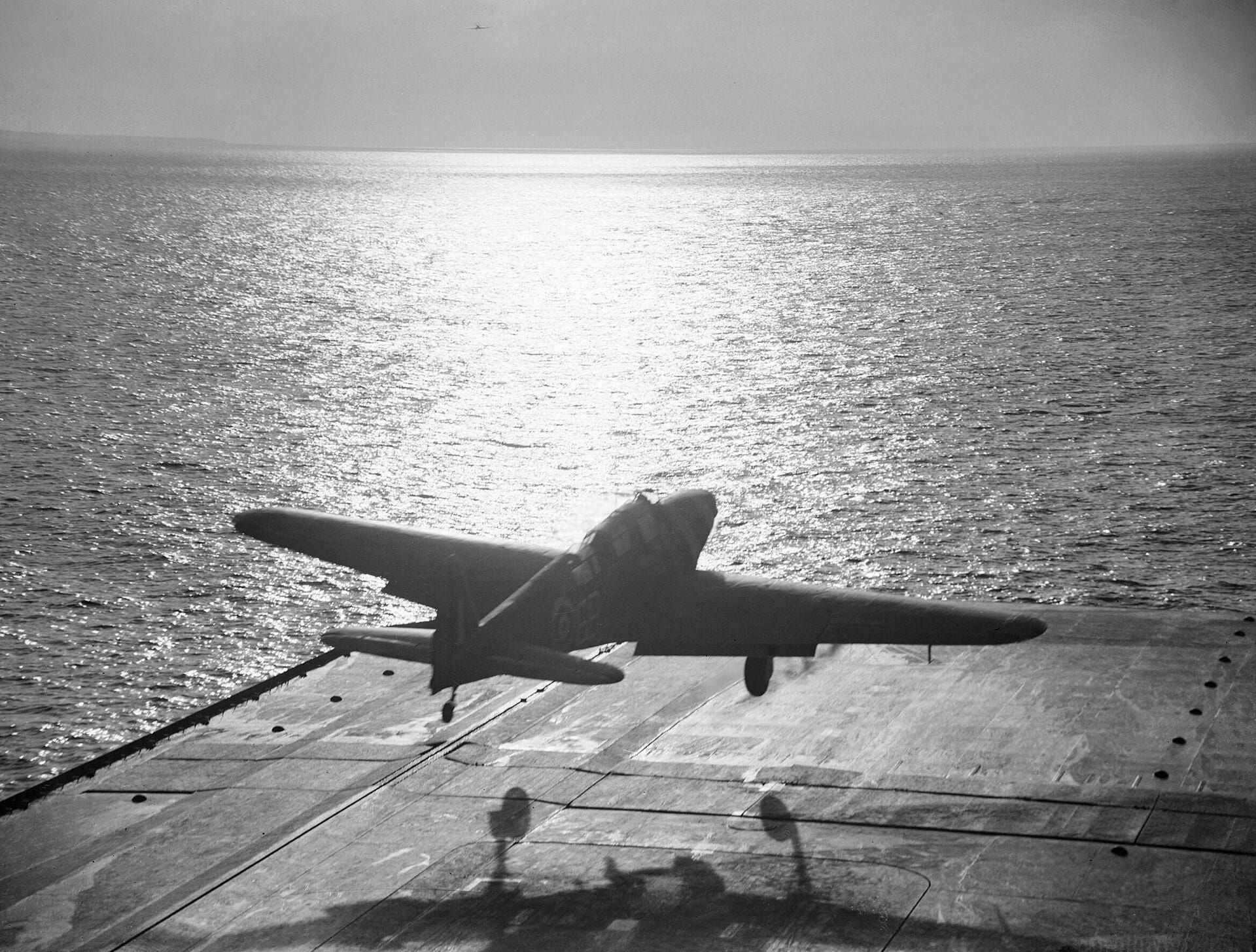
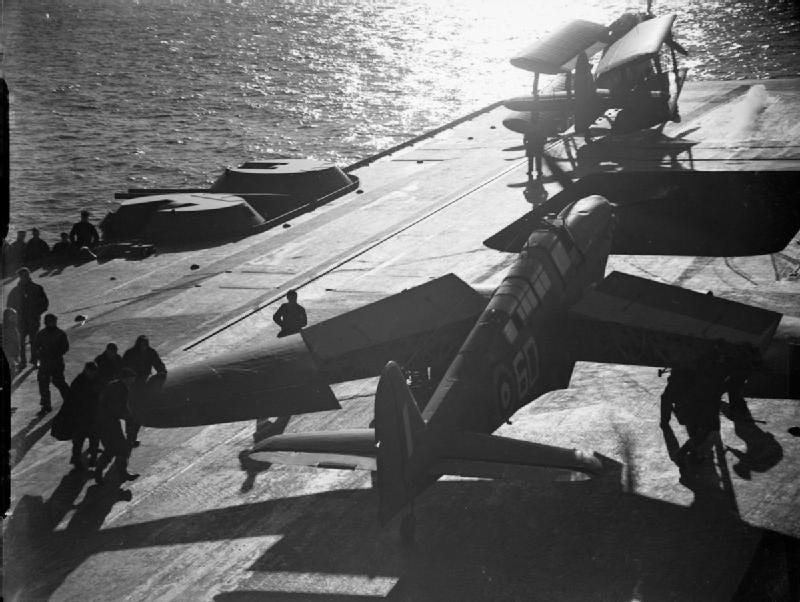
He now turns his attention to the Fairey Fulmar carrier fighter of Britain’s Fleet Air Arm (see our recent article comparing it to the F-14). This largely stately two-seat aircraft, despite eight guns, a vast amount of ammunition, a decent range and a Merlin, was not the greatest fighter. Slow and relatively un-agile, it was soon outclassed. But despite this, it proved useful, scoring the most claimed air-to-air kills (112) of a Fleet Air Arm type (if ground kills are included, the Corsair may beat it for most enemy aircraft destroyed). Its combat career was dramatic and spanned the world, from the Mediterranean and Africa, to the cold north and the Indian Ocean. Willis now covers this career in satisfying detail.
Willis notes that despite its poor climb rate and lack of speed, it was often in the right place thanks to effective Fighter Direction. Aircrew were affectionate towards the Fulmar for its forgiving handling qualities, but cold on its effectiveness as a weapon of war, as the book notes:
“Furthermore, Somerville wrote: ‘One Italian officer survivor stated he had been shot down by a Hurricane’. In a comment that seems to betray a lack of faith in the Fulmar by its aircrews, he added: ‘It is evident that the enemy hold our Fleet Air Arm fighters in higher esteem than do our own Fulmar pilots.’”
Appropriately fiery rows over the most effective ways of harmonising guns are also fascinating:
“The superiority of ‘pattern’ harmonisation has been frequently pointed out by Admiralty, but there are still a number of squadron commanders who take the line that ‘what is good enough for the Air Force is good enough for me’, and persist in point harmonisation. They will gradually be eliminated, either by being shot down or by education from below, but it is a pity that their pig-headedness should be the cause of fewer enemies shot down and unnecessary casualties.”
Imagine a pilot firing at an enemy aircraft from somewhat outside the ideal convergence distance. With point harmonisation, the bullets are tightly concentrated around the convergence point. If the pilot is not exactly at that range or isn’t perfectly lined up, much of the fire may miss the target. With pattern harmonisation, the bullets are spread over a wider area, so the pilot has a greater chance of putting some rounds into the enemy aircraft despite imperfect range or aim.
The contemporary argument was not simply about which arrangement produced the most damage if you hit perfectly. It was also about the realities of aerial combat: rapidly changing range, deflection, pilot accuracy, and how long a fighter could remain exposed while attacking. In essence, this argument was essentially like buckshot versus rifle round.
The RAF initially experimented with broad patterns, but later in 1940 Fighter Command moved toward tighter point convergence after operational experience suggested that dispersed fire could let enemy aircraft absorb many hits without being destroyed. The FAA experimented with concentrated and wider firing patterns rather than simply copying the RAF's 250-yard convergence. A concentrated pattern could improve damage, but closing to short range increased the risk of losses from enemy defensive fire.
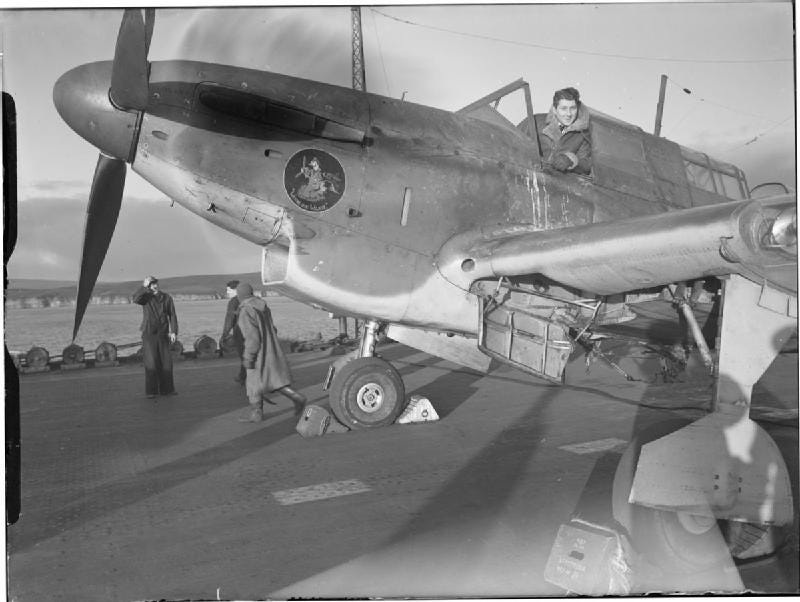
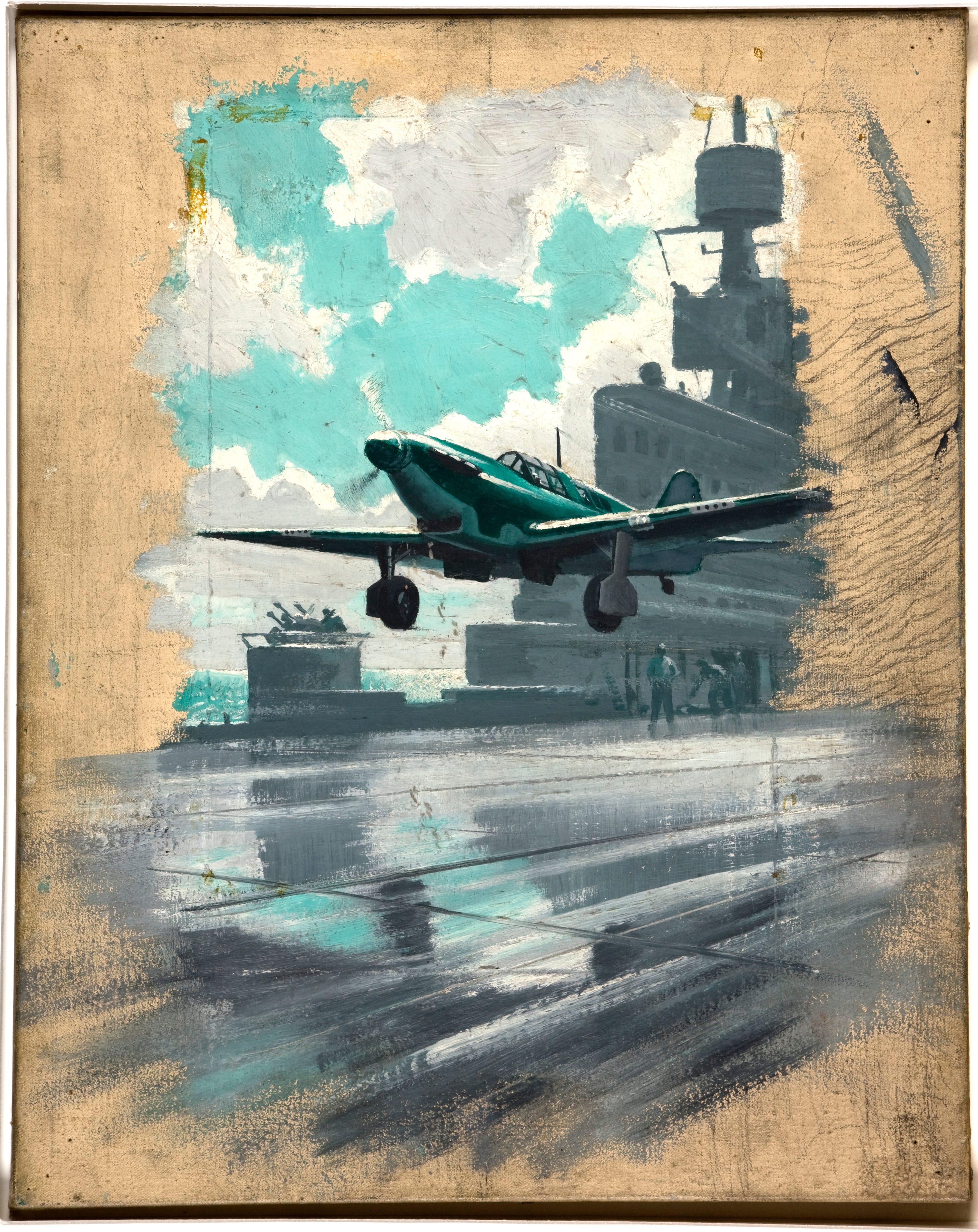
The book features some rare photos and some excellent colour profile artworks (including a Vichy example for spice). It is an exhaustively and meticulously researched study. Clearly a labour of love, Fairey Fulmar is a welcome break from the usual A-listers and a must-have for readers of World War Two aviation. The Fulmar resulted from the FAA’s disbelief that a single-seat aircraft could safely navigate and communicate, but it also couldn’t dogfight. The Fulmar is currently a hot topic; indeed, author Rowland White and I (Joe Coles) both spoke in some depth on the Fulmar in our talks at this year’s We Have Ways Fest. This book is for those who want to immerse themselves even deeper in the story of the Fulmar. Willis has carved himself a reputation as a defender of the flying underdogs, and this ‘generous critique’ is his best yet.
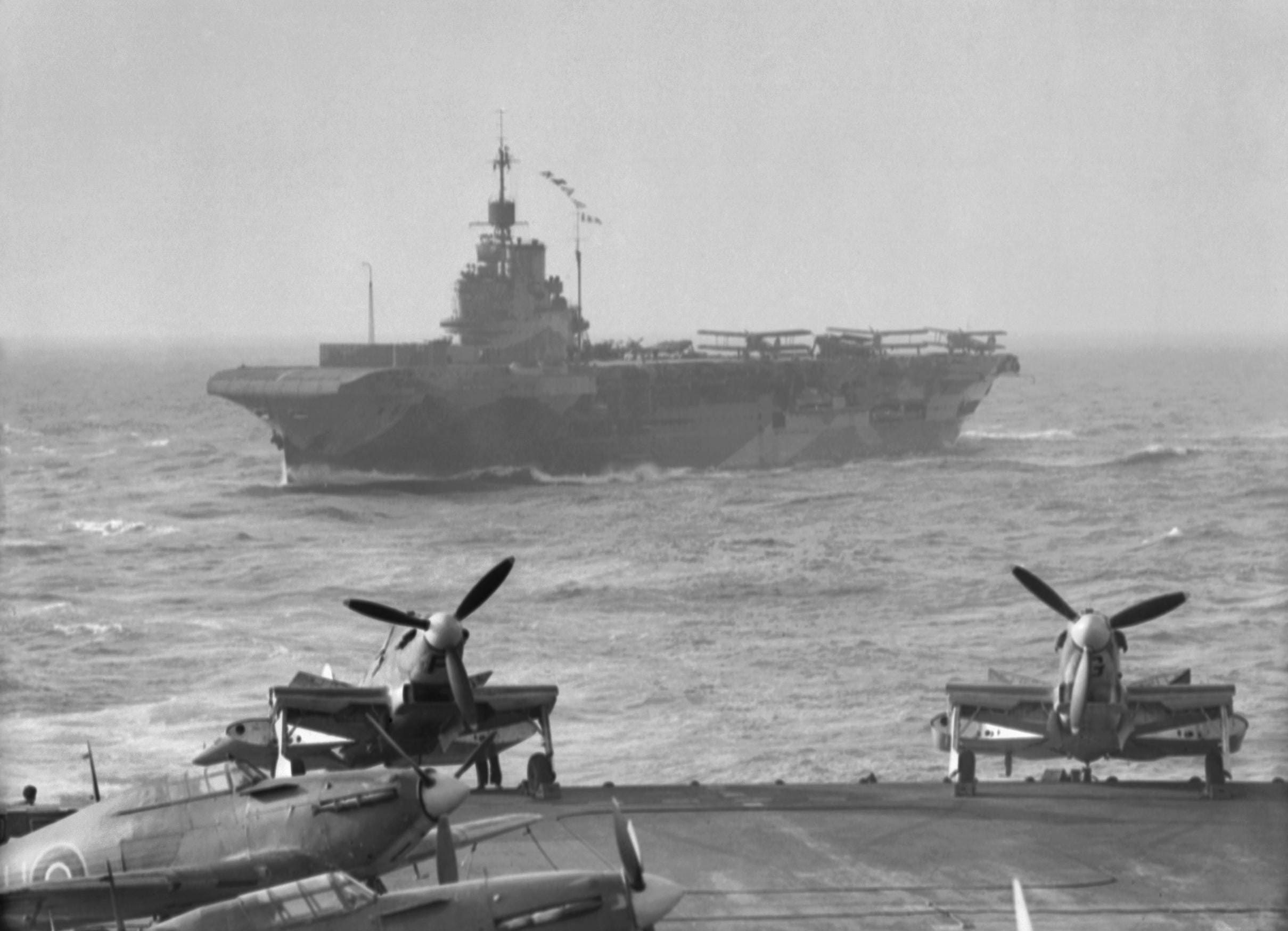
It is also interesting to note the Royal Navy’s poor PR regarding its wartime aircraft, at least partly motivated by a reluctance to glamourise the very machines that threatened the ship’s supremacy. The Swordfish ranks as the outlier, perhaps because the Fleet Air Arm so desperately needed some good news to share at the time it was weakest. The Fulmar was there when it was most needed, and did far better than could be reasonably expected of a sluggish converted bomber, yet never achieved fame.
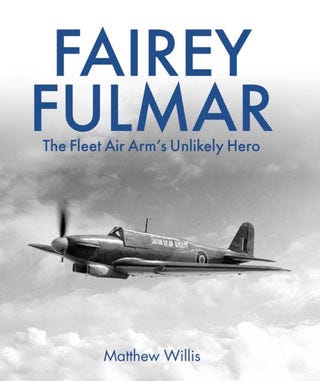
Order your copy here. Use discount code TCP10 for a 10% discount.
Follow Joe Coles on Substack, Twitter X or Bluesky. His superb Hush-Kit Book of Warplanes is available here (while stocks last).
Thanks for reading Hush-Kit Aviation Newsletter! This post is public, so feel free to share it.
Source : Hush-Kit Aviation Newsletter — Hush Kit

Aucun commentaire:
Enregistrer un commentaire
Merci pour votre intérêt pour Cocardes !