
Résumé en français
Le Lockheed SR-71 Blackbird portant le numéro de série 844, dernier exemplaire produit et ayant volé en 1999, a disparu de son emplacement d'exposition public au NASA Armstrong Flight Research Center en Californie depuis au moins le 17 mai 2026. Cette disparition, associée aux déclarations de l'administrateur de la NASA Jared Isaacman concernant le renouveau des programmes de X-planes à haute vitesse et la présentation d'une silhouette similaire au Blackbird, alimente les spéculations sur un éventuel retour en vol ou le développement d'un nouvel appareil hypersonique. Toutefois, la NASA n'a confirmé aucun projet de remise en état de vol, évoquant de potentiels travaux de maintenance ou de préservation, tout en soulignant les coûts et la complexité technique considérables qu'impliquerait un tel retour en service.
WASHINGTON, D.C.- NASA Administrator Jared Isaacman has renewed interest in experimental high-speed aircraft, while an SR-71 Blackbird formerly displayed at NASA Armstrong Flight Research Center has reportedly disappeared from public view.
NASA’s renewed push to expand its X-plane portfolio has drawn attention to the agency’s historic work with high-speed aircraft. The disappearance of SR-71 tail number 844 from its long-standing display location has added another point of interest, although NASA has not confirmed that the aircraft is being prepared to fly again.
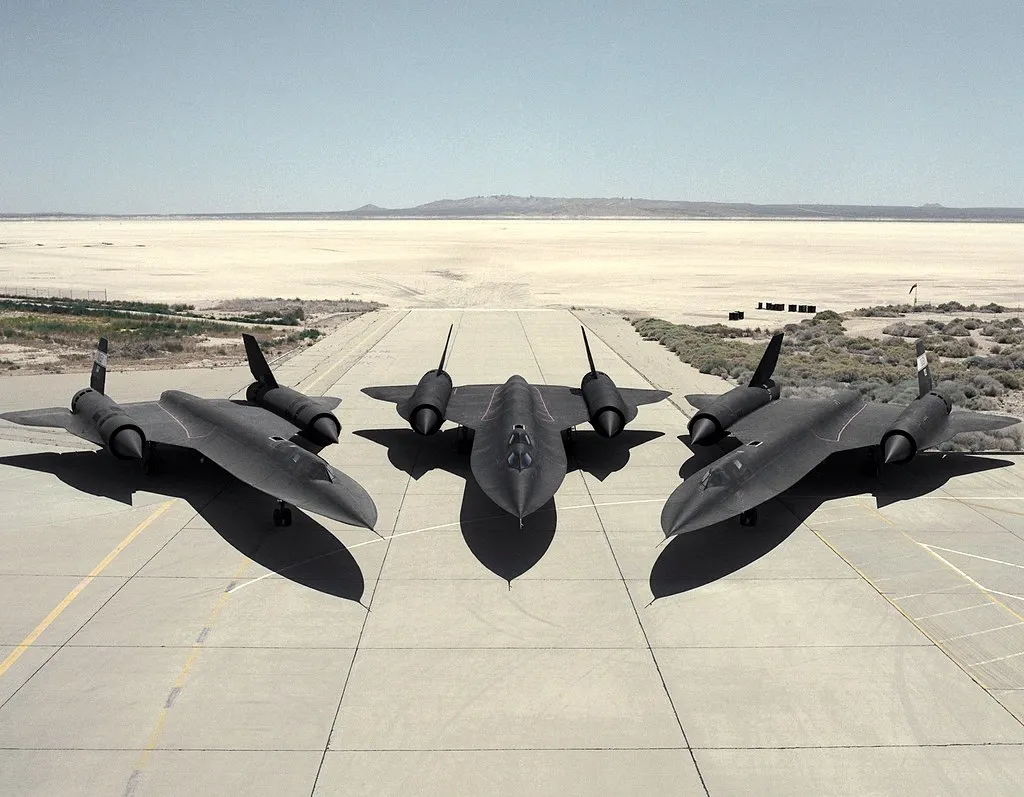
NASA SR-71 Disappearance Fuels New X-Plane Questions
SR-71 tail number 844 was displayed for years outside NASA’s Armstrong Flight Research Center, which is collocated with Edwards Air Force Base in California. Satellite imagery reportedly showed that the aircraft had not been seen at its display location since at least May 17, 2026.
The aircraft originally carried U.S. Air Force serial number 61-7980. It was the final SR-71 produced and the last Blackbird to fly, completing its final flight in 1999.
According to Aviation Week reporting cited in the source material, the aircraft may have been moved into a hangar earlier in 2026 for inspection. Its current disposition has not been publicly confirmed.
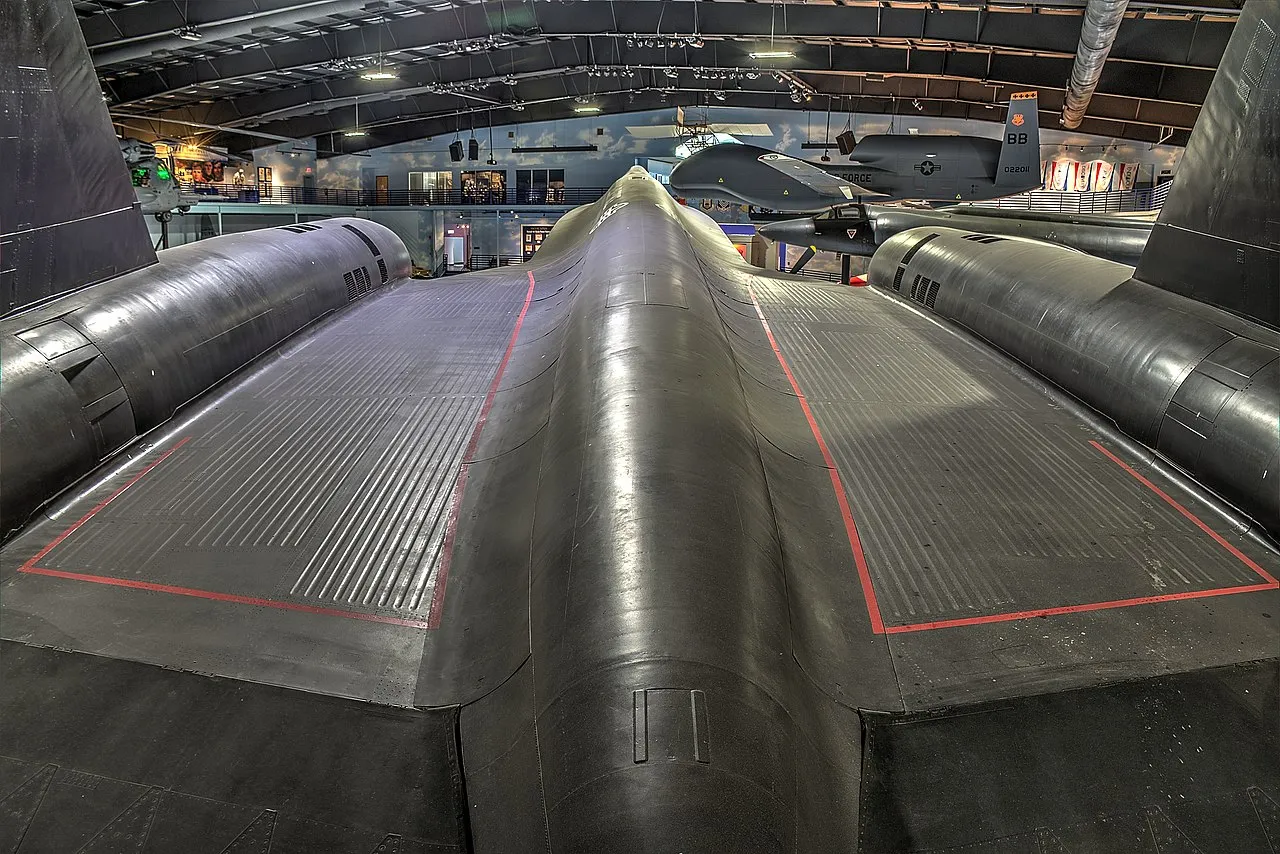
Why the SR-71 Matters to NASA’s X-Plane Plans
The disappearance occurred shortly after Jared Isaacman presented a silhouette of an aircraft with a strong visual resemblance to the SR-71 while discussing NASA’s plans for a new generation of X-planes. Isaacman said NASA was rebuilding its X-plane fleet and intended to pursue aircraft capable of flying higher and faster than previous generations.
NASA subsequently told TWZ that the agency has a long history of developing experimental aircraft and wants to expand its X-plane activity to advance airframe and propulsion technologies. NASA did not identify the aircraft shown in Isaacman’s presentation.
NASA later stated that it had no additional information to share about the SR-71. That statement leaves the current status and purpose of tail number 844 unresolved.
SR-71 844 Has Several Advantages as a Test Aircraft
Tail number 844 would have characteristics that distinguish it from many other surviving Blackbirds. It was both the final aircraft produced and the last SR-71 to fly.
NASA had also previously upgraded the aircraft with an automated digital flight and inlet control system designed to reduce the risk of violent engine unstarts at high speed. The aircraft had remained in a controlled area in the Mojave Desert, which provided favorable conditions for preservation.
These factors explain why the aircraft has attracted attention in discussions about a potential return to flight. They do not, however, establish that NASA is preparing the aircraft for flight.
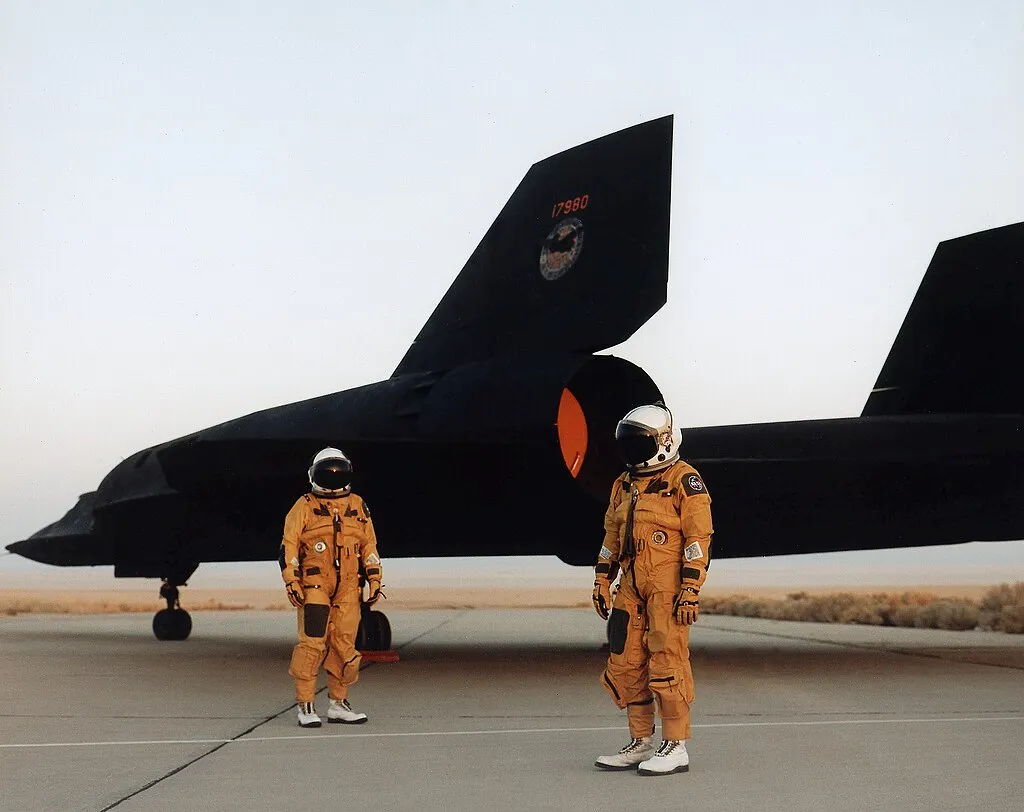
Returning an SR-71 to Flight Would Be Complex
The SR-71 was an exceptionally specialized aircraft. Only 32 were built, and the Blackbird required substantial resources to operate and maintain even during its original service period.
Its Pratt & Whitney J58 engines used JP-7 fuel, which is no longer in regular production. The loss of the original support infrastructure would therefore present a major challenge to any effort involving a restored aircraft.
A previous proposal to return an SR-71 to service after the September 11 attacks was projected to cost between $40 million and $45 million. That estimate came only about two years after tail number 844’s final flight, illustrating the scale of the challenge even when the aircraft was considerably closer to its operational era.
A New Aircraft Could Draw on SR-71 Technology
The renewed interest does not necessarily mean NASA intends to restore an original Blackbird. Another possibility is an experimental aircraft influenced by the SR-71’s design principles while using modern materials, avionics, flight controls and propulsion technologies.
The source material also identifies the possibility of a crewed or uncrewed aircraft. A future NASA X-plane could potentially use lessons from the Blackbird while incorporating technologies unavailable when the SR-71 was developed.
The SR-71 could also serve as a reference point for future high-speed aircraft research without returning to flight itself.
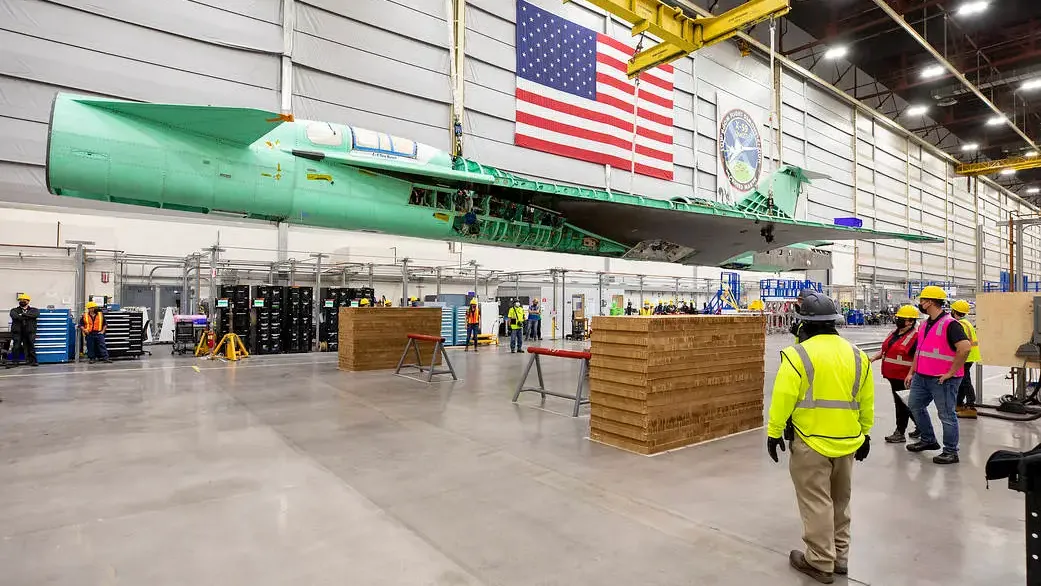
Isaacman’s Comments Add to the Interest
Isaacman discussed NASA’s X-plane ambitions again at EAA AirVenture 2026. He referred to the SR-71 as part of NASA’s historical X-plane work and said the agency was rebuilding its X-plane portfolio while pursuing higher and faster flight.
When asked specifically about a new crewed hypersonic aircraft or an SR-71 successor, Isaacman said such development was an area of significant interest and that NASA hoped to accomplish new work in the coming years.
During another AirVenture panel, Isaacman was asked which aircraft he would like to fly but had never flown. He immediately named the SR-71 Blackbird. When asked whether he had the authority to bring one back, he responded, “That’s classified.”

NASA Has Not Confirmed a Return to Flight
The available information does not establish that SR-71 844 is being restored for flight. The aircraft’s disappearance from its display location and reports of a possible inspection have created questions, but NASA has not publicly confirmed a return-to-flight program.
The aircraft could have been moved for preservation, inspection or another purpose. The source material explicitly notes that its absence could have an explanation unrelated to a new X-plane program.
For now, the confirmed development is NASA’s stated intention to expand its experimental aircraft portfolio and pursue technologies that enable higher, farther and faster flight. The role, if any, of SR-71 844 in that effort remains undisclosed.
Stay tuned with us. Further, follow us on social media for the latest updates.
Join us on Telegram Group for the Latest Aviation Updates. Subsequently, follow us on Google News
The post Fastest Aircraft in the World Missing, Sparking Mystery Over New NASA X-Plane Plans appeared first on Aviation A2Z.
Source : Aviation A2Z — Bhavya Velani

Aucun commentaire:
Enregistrer un commentaire
Merci pour votre intérêt pour Cocardes !